Perspectives on Pastoralism Film Festival at Tropentag 2026 (TT26)
Theme: Celebrating Pastoralist Women – Co-Creating Spaces for More Equitable Solidarities
Tuesday 15 Sept. 2026, 18:30 – 21:30 CEST
and Wednesday 16 Sept. 2026, 19:00 – 22:00 CEST
Zentralhörsaalgebäude (ZHG) / Central Lecture Hall Building, University of Göttingen Main Campus
***entrance to the film festival is free to the general public***
This year the Perspectives on Pastoralism Film Festival coincides with the United Nation’s International Year of Rangelands and Pastoralists (IYRP 2026). The grassroots initiatives that led up to the creation of the IYRP include a “Gender and Pastoralism” subgroup of the Global Alliance for Rangelands and Pastoralism, which did the first round of selection of films including pastoralist women, allies and scholars from all around the world.
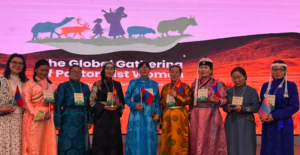
For the Tropentag 2026, we have selected films from this collection along with new films highlighting the Global Gathering of Pastoralist Women held in May 2026 in Kathmandu, Nepal. This gathering offered an opportunity for pastoralist women to increase visibility of their contributions to extensive livestock production while networking and building international solidarities.
This film festival was started in 2019 with the vision of creating a space in which films created by and with pastoralists could be shared to contribute towards building awareness about pastoralism. For the first time, we will screen a film made in 1984 by film festival co-founder Ann Waters-Bayer. She is a pioneer in participative methods and bottom-up innovation practices in agricultural research and development and has been an active ally to pastoralists for nearly a half century. Also for the first time, we will screen an in-progress film Jireen – Sharing Land, through which the filmmakers explain what steps they are taking to decolonise the filmmaking process together with an agropastoralist community. Despite the many decades separating the making of these films, they both share a dedication to inclusive process.
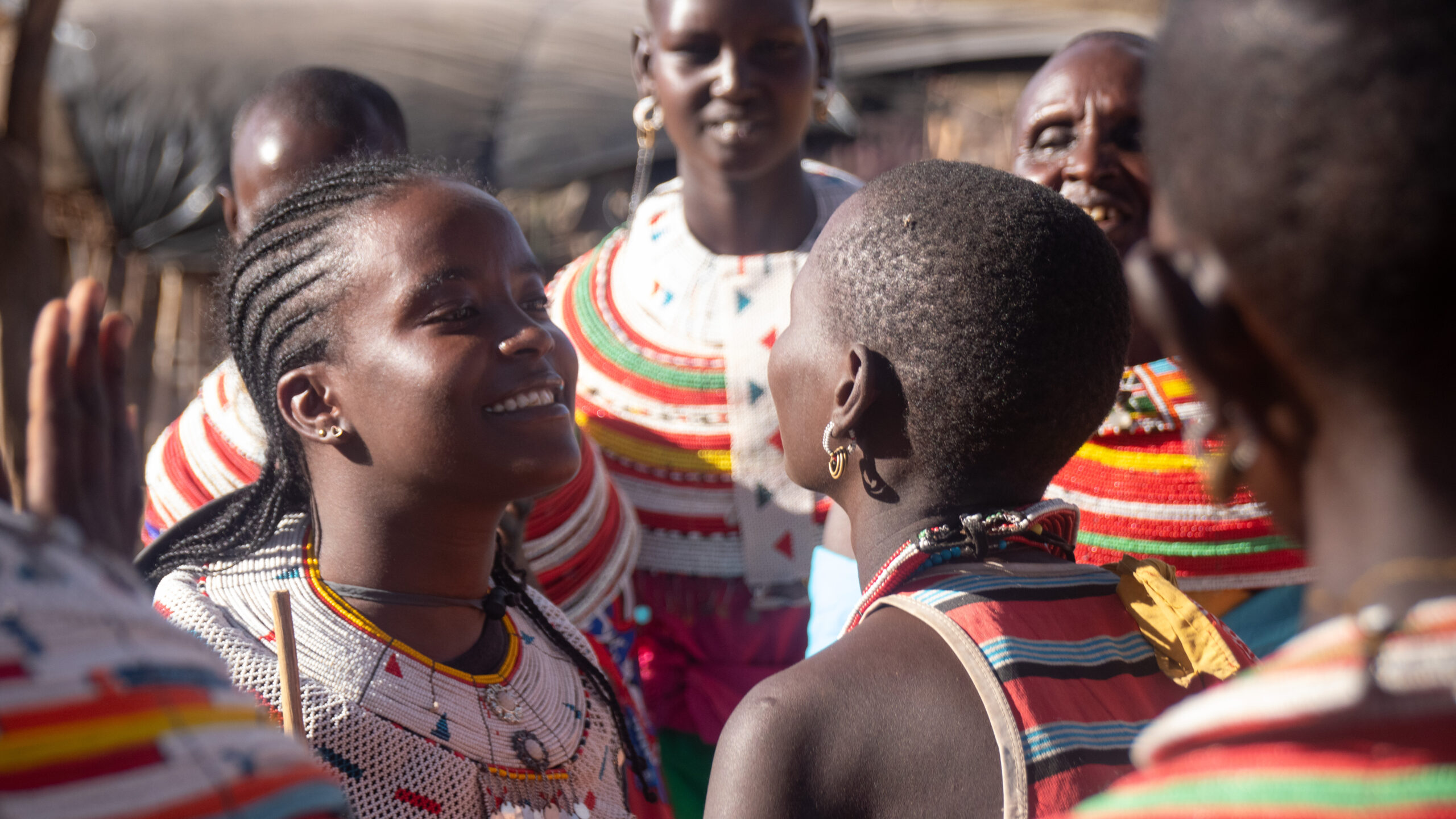
Each evening of the film festival includes films that celebrate women pastoralists. For example, Tuesday includes a film introducing pastoralist women leaders in their communities in Kenya, Kyrgyzstan and Spain. There are a number of short films that were collaboratively created by women pastoralists across the world together with filmmakers and academics as part of the preparation for the Global Gathering of Pastoralist Women and reflection afterwards. These films create a stage where individual pastoralist women can put forward the points that are most important to them. Country-specific networking and mutual solidarity between women pastoralists can be seen in films on both nights of the film festival, on Tuesday with the Hungarian Pastoralist Women’s Group and on Wednesday with Ganaderas en Red from Spain.
Each evening of the film festival also includes films made by women filmmakers that demonstrate why livestock mobility is important. These films show how it can be a sustainable strategy for producing livestock in environments with variable availability of vegetation over space and time. Too often, herding, ranching and other forms of pastoralism more generally are viewed as a male endeavour. The women featured in these films flip the narrative and make their work visible.
The Perspectives on Pastoralism Film Festival is organised on behalf of the Coalition of European Lobbies for Eastern African Pastoralism (CELEP) by the German Institute for Tropical & Subtropical Agriculture (DITSL), Agrecol Association for AgriCulture & Ecology and Vétérinaires Sans Frontières (VSF) Belgium. The 2026 programme has been finalised by Keerthana Sri and Margareta Lelea. Moderation during the event will be done by Echi Gabbert and Margareta Lelea.
Programme
Tuesday, 15 September, 18:30 – 21:30 CEST
Co-sponsored by Pasturescapes, University of Kassel
Celebrating pastoralist women Part I 18:30 – 19:10 CEST
Film and discussion:
Behind the scenes – decolonising collaboration with pastoralist communities
Opening of the 5th Edition Perspectives on Pastoralism Film Festival with Echi Gabbert and Ginno Ballo, who will present content from their in-progress film about agropastoralism in Ethiopia. The initiative Jireen – Sharing land, a community-led film project, will be showed in part.
This meeting shares the ongoing journey of collaborative filmmaking and project development in the agropastoralist Arbore community in southern Ethiopia. It also explores what it means to protect community ownership.
When Ethiopian co-creators were denied Schengen visas, completing the film in Europe would have been the easiest solution but it would also have reproduced the very hierarchies the collaboration sought to overcome. Instead, the team chose to preserve shared authorship and develop new forms of co-creation, allowing creative decisions to remain with the community. We will watch some of the footage in progress.
Our experience invites broader reflection: Decolonial collaboration is about language and participation and it is also about redesigning processes when existing structures undermine equity.
Participants are invited to discuss how filmmaking and international cooperation can move beyond damage-centred approaches toward collaborations that recognise pastoralist communities as experts on land, animals, health, culture and their temporalities.
Celebrating pastoralist women Part II 19:20 – 21:30 CEST
Films and discussion
Films 19:20 – 20:45 CEST
Pastoral development and gender – 3:27 – United Kingdom – Saverio Krätli – 2023
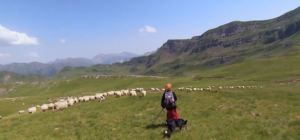
Transhumance: the seasonal droving of livestock – 21:20 – Albania, Andorra, Austria, Croatia, France, Greece, Italy, Luxembourg, Romania, Spain – Francesca Pasetti – 2023
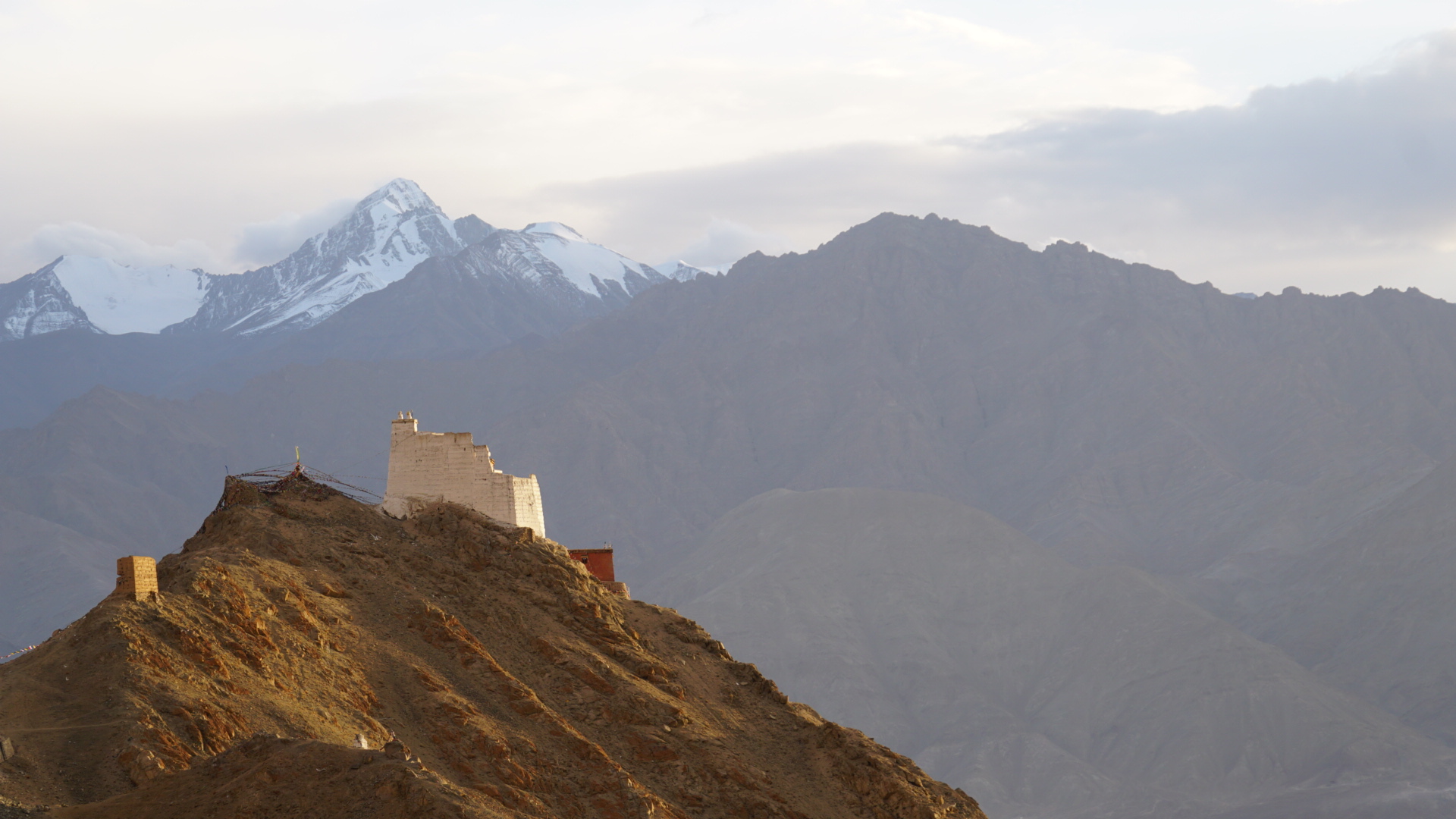
Living in the mountains of Ladakh, India – India – 3:05 – India – Patrick Augenstein – 2023
Enchukunoto (The return) – 15:52 – Kenya – Laissa Malih – 2024
Pastoralist Series 4: Sadia Ahmed – 2:08 – Somalia – VSF Belgium & CELEP – 2019
Maira (Colombia): Political representation of pastoralist women, care and labour – 2:07 – Colombia – Maira Alejandra Quintero Brito & Brittany Bunce – 2026
Reversing, reviving, regenerating: pastoralist women restoring rangelands in Kenya, Kyrgyzstan, and Spain – 15:56 – Kenya, Kyrgyzstan, Spain – Fiona Flintan, Cristina Ghinassi & Marco Buemi – 2023
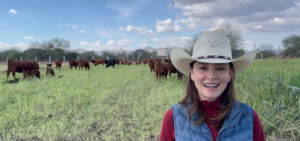
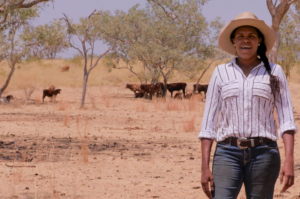
Let’s woman up – Darrylin Gordon, pastoralist, Lamboo Station, Kimberley – 6:42 – Australia – Gisela Kaufmann & Karsten Orlt – 2020
Time of Hungarian women herders – 14:48 – Hungary – Nikolett Csányi – 2023
Confirmed discussion participants 20:45 – 21:30 CEST
Sadia Musse Ahmed (Somaliland): Pastoralist, MSc Anthropology, Somaliland Country Representative, Pastoral Environmental Network in the Horn of Africa (PENHA)
Maira Alejandra Quintero Brito (Colombia): Pastoralist, Participant of Global Gathering of Pastoralist Women, Member of Pastoramericas and Agrosavia
Brittany Bunce (South Africa/Spain): Member of IYRP Gender Working Group and Planning Committee of the Global Gathering of Pastoralist Women, Research Fellow at the Universitat Autònoma de Barcelona, Spain (ICTA-UAB)
Zsolt Molnár (Hungary): Head of Department Centre For Ecological Research – Traditional Ecological Knowledge, Budapest, Hungary
Ibolya Sáfiánné (Hungary): Professional herder, Leader of the Hungarian Women’s Herder Group and author
Spanish-English translation by Elisabeth Huber-Sannwald (Mexico): Full Research Professor in Ecology and Global Environmental Change and Department Head of the Division of Environmental Sciences at the federal research institute Instituto Potosino de Investigación Científica y Tecnológiva, in San Luis Potosi, Mexico
Wednesday, 16 September, 19:00 – 22:00 CEST
Celebrating pastoralist women Part III: 19:00 – 20:50 CEST
Films and discussion
Films 19:00 – 20:25 CEST
For Ann – 4:21 – Africa, Asia, Germany – Lauren Svejcar & Margareta Lelea – 2026
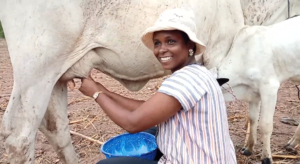
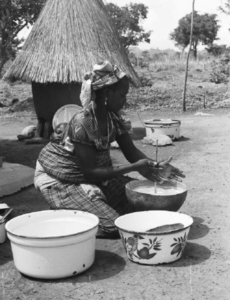
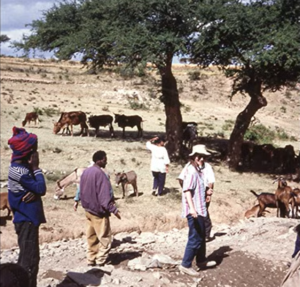
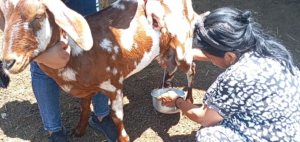
Fulani dairywoman – 19:00 – Nigeria – Ann Waters-Bayer – 1984
Pastoralist women, economy, livelihoods and working conditions – 2:53 – Benin – Brittany Bunce & Djoudé Issa Demo – 2026
Pasto raiz pasto semilla (Root pasture seed pasture) – 39:29 – Argentina – Mariana Quiroga Mendiola – 2023
Why a Global Gathering?: hear from pastoralist women – 7:56 – global – Djoudé Issa Demo, Ainhoa López, Maria Guadalupe Molina Siller, Lászlóné Sáfián, Alena Gerasimova, Fozia Noor, Dintle Maphala, Bhavana Desai, Saodata Abubacrine & Brittany Bunce – 2026
Visibility, recognition and rights of pastoralist women – 2:24 – Mongolia – Brittany Bunce & Byambagerel Baatar – 2026
Confirmed discussion participants 20:25 – 20:50 CEST
Fadimatou Balla, (Cameroon): Pastoralist, Participant of Global Gathering of Pastoralist Women, Member of Association pour la Promotion de l’Élevage au Sahel et en Savane.
Brittany Bunce (South Africa/Spain): Member of IYRP Gender Working Group and Planning Committee of the Global Gathering of Pastoralist Women, Research Fellow at the Universitat Autònoma de Barcelona, Spain (ICTA-UAB)
Djoudé Issa Demo, (Benin): Pastoralist , Programme Committee and Participant of Global Gathering of Pastoral Women, Member of RBM (Réseau Billital Maroobé), Young Ambassadors of Pastoralism movement, West and Central Africa.
Judith Singibala, (Tanzania): Pastoralist, Participant of Global Gathering of Pastoralist Women, Founder of TUPO Foundation
French-English translation by Knud Schneider (Germany): Agronomist and cultural liaison. Over 25 years of professional experience in Africa.
Celebrating pastoralist women Part IV: 21:00 – 22:00
Film
Mujeres de viento, tierra y ganado (Women of wind, earth & livestock) – 55:00 – Spain – Ganaderas en Red – 2023
Download the print version of the programme.
Programme