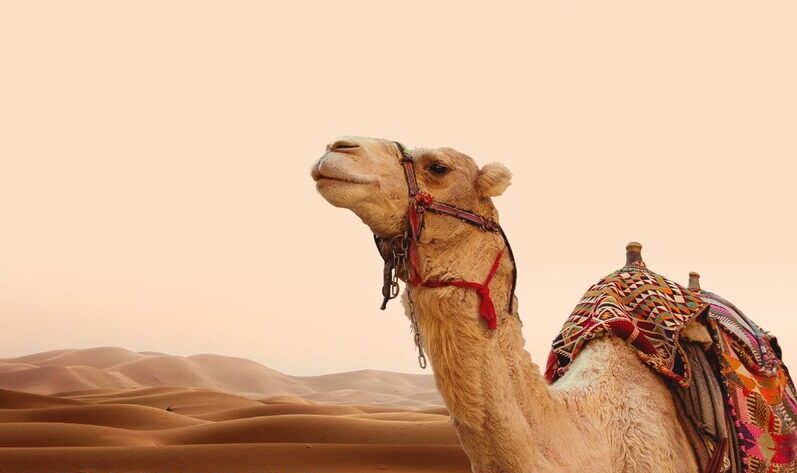
To celebrate the International Year of Camelids 2024, the Perspectives on Pastoralism Film Festival presents short films on camelids – camels, dromedaries, alpacas, llamas, vicunas and guanacos – in tropical areas of Africa, Asia and the Andes.
These documentary films seek to deepen understanding of how pastoralist communities gain their livelihoods in dryland and mountainous areas from mobile systems of camelid husbandry. They show the close relationships of the pastoralist men, women and childr
en with their livestock and environment, and how they contribute to sustainable land management through ecologically appropriate use of the resources with well-adapted animals. The films depict camelid husbandry, breeding and trade. They reveal the economic challenges faced by camelid-keepers, especially in gaining fair prices for their products, and the initiatives that pastoralists are taking to improve the local economy and community wellbeing.
After the films will be a discussion with filmmaker Sarah Lunaček and other researchers and practitioners in camelid pastoralism.
This very short introductory film for the International Year of Camelids (IYC) shows different types of camelids kept in various environments and cultures. It explains how camelids contribute to food security, nutrition, local livelihoods and the wider economy while having a strong cultural and social significance for communities in the Andean highlands and in the drylands of Africa and Asia. The IYC seeks to raise awareness of the role of camelids in building resilience to climate change.
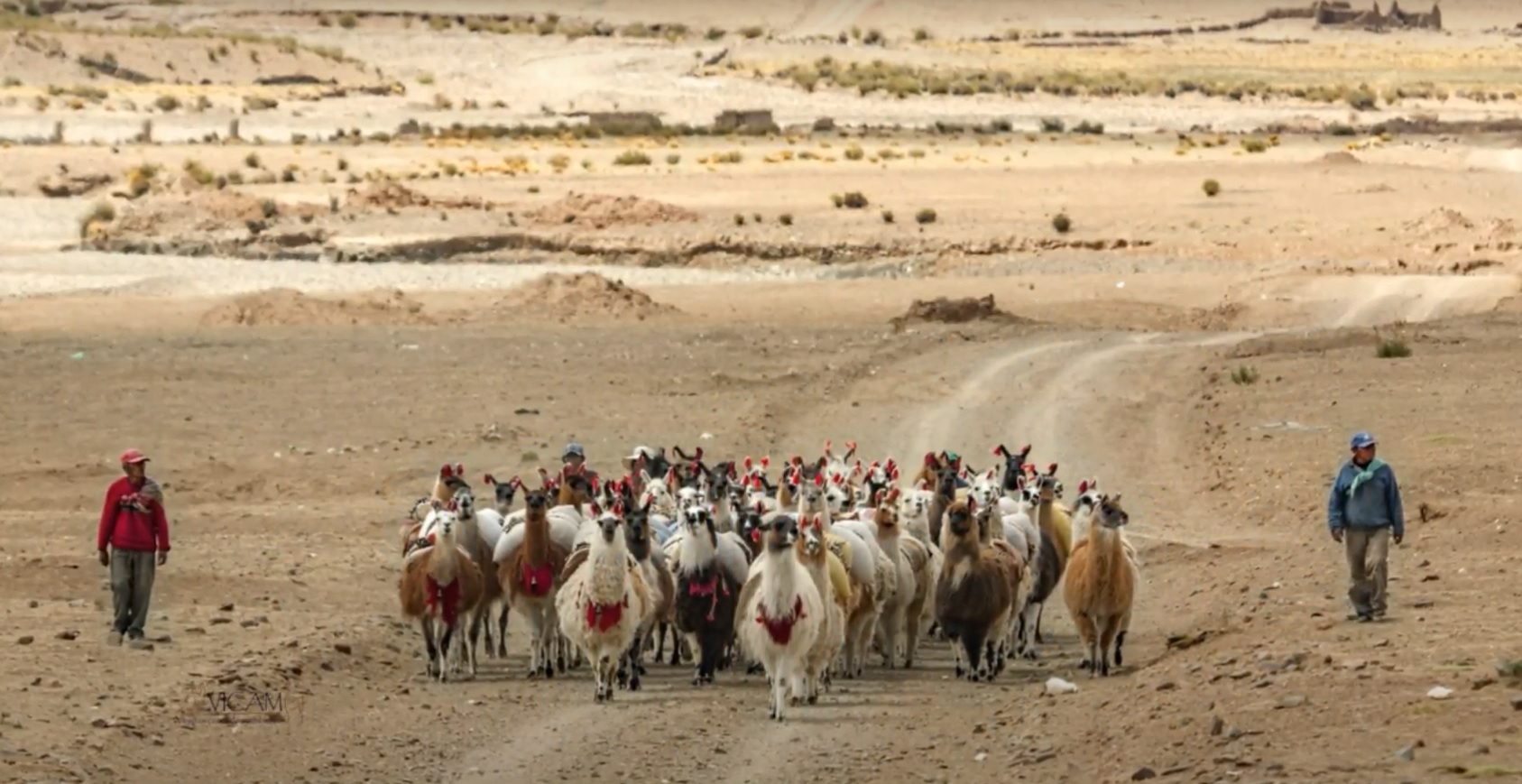
Caravanas de las alturas (Caravans of the heights)
BIBIANA VILÁ
This documentary is composed of beautiful and informative photos with commentary on a disappearing aspect of camelid culture: the caravans in the Andes that used to connect people from the highlands and lowlands, transporting llama fleece from Bolivia to Argentina to trade for food, medicines and other purchased products. It shows a several-day trip to Santa Catalina in Jujay, with stops for water from rivers or ponds and grazing.
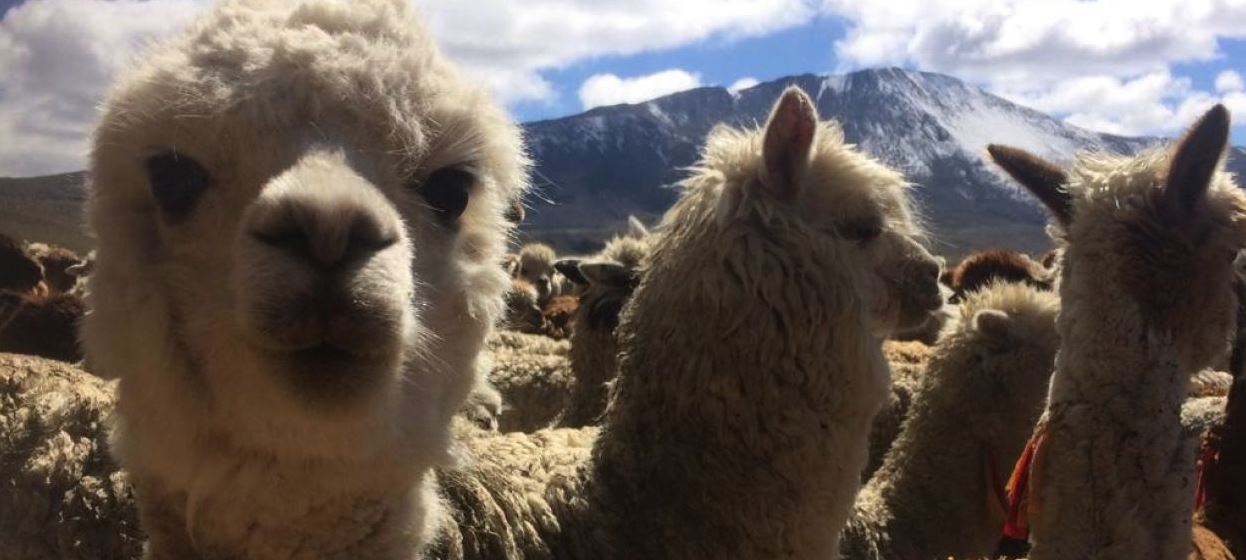
Alpaca-keepers make efficient use of marginal lands in high-altitude areas (5000 masl) in the Andes. Depicted largely from the herders’ perspective, this documentary highlights the advantages of keeping alpacas over hoofed livestock like sheep and cattle in this region. It shows the roles and functions of alpacas for the local community, the close bonds between the people and their animals, and how the communities have further developed their livestock-keeping system in response to climate change.
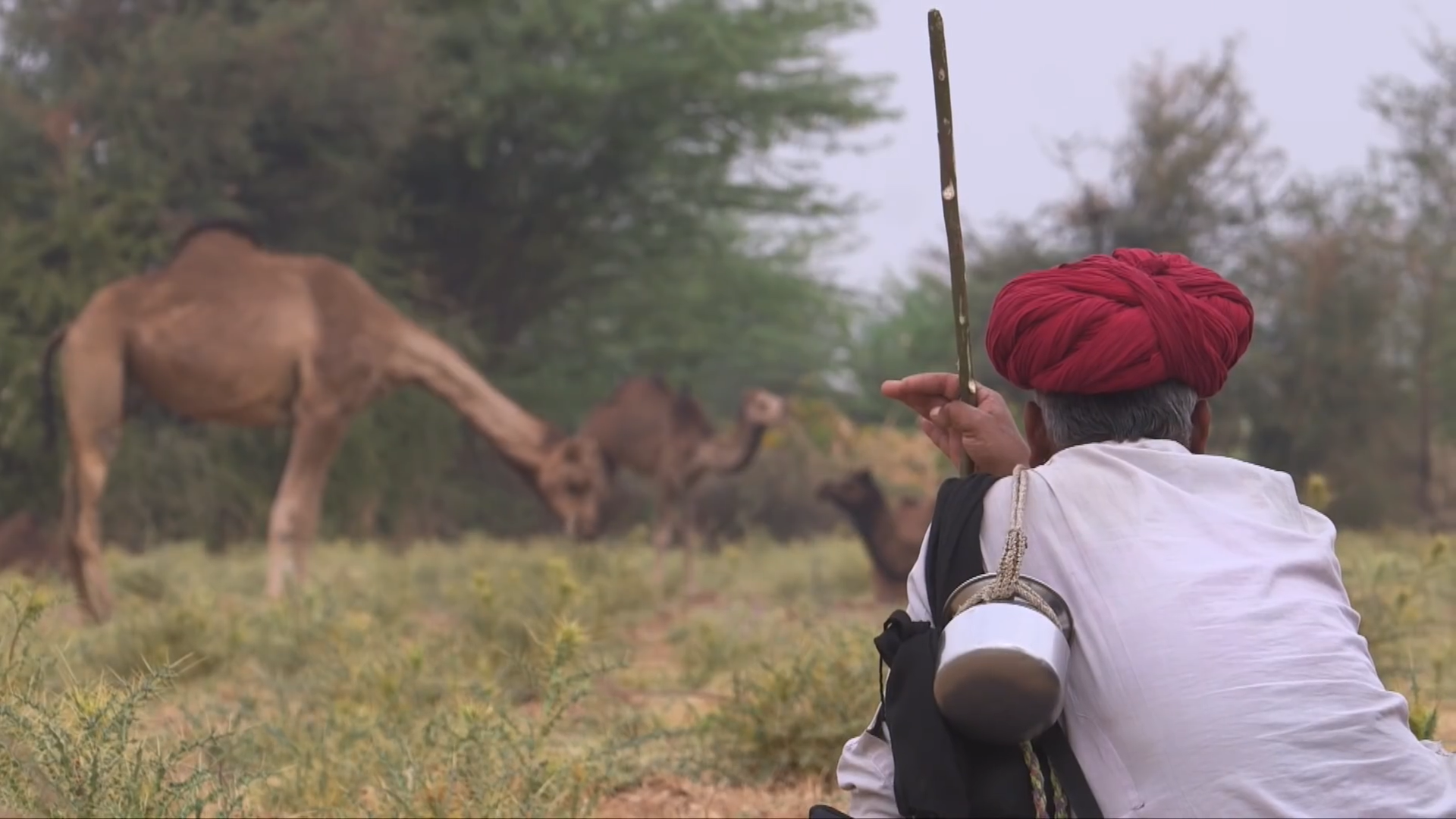
Raika pastoralists have been herding camels in Rajasthan for centuries, but their traditional way of life is now under threat. A German-led non-governmental organisation that was set up to advocate for the Raika’s rights collaborated with them in starting a commercial dairy for camel milk to help the Raika sustain their livelihood.
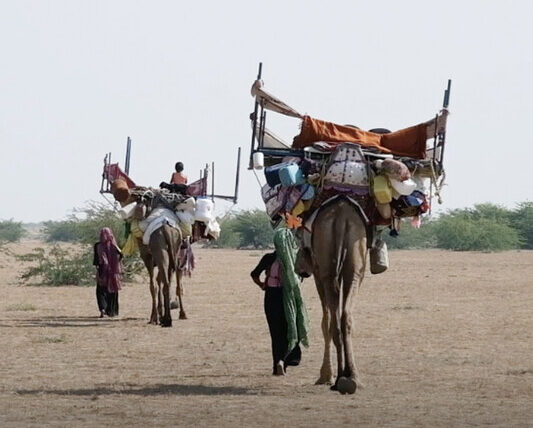
In Gujarat, the filmmaker observes the daily life of Rabari pastoralists living in the desert of western India. Spending time with three families, she is fascinated by how they are connected to their land and animals. While seeing how the Rabari women move their households, families and camels from one site to the next, she questions what home means to her while moving around the world. As narrator, the filmmaker is concerned with her own search for home – a personal and poetic reflection on mobility.
This very focused film – much of it in slow motion – with detailed description of making a camel saddle and packing a camel, is narrated by the elderly saddle-maker himself. It shows the skills of the saddle-maker and his pride in the beauty of the saddle and the camel. The film reveals that these handicraft skills still exist today – among older people.
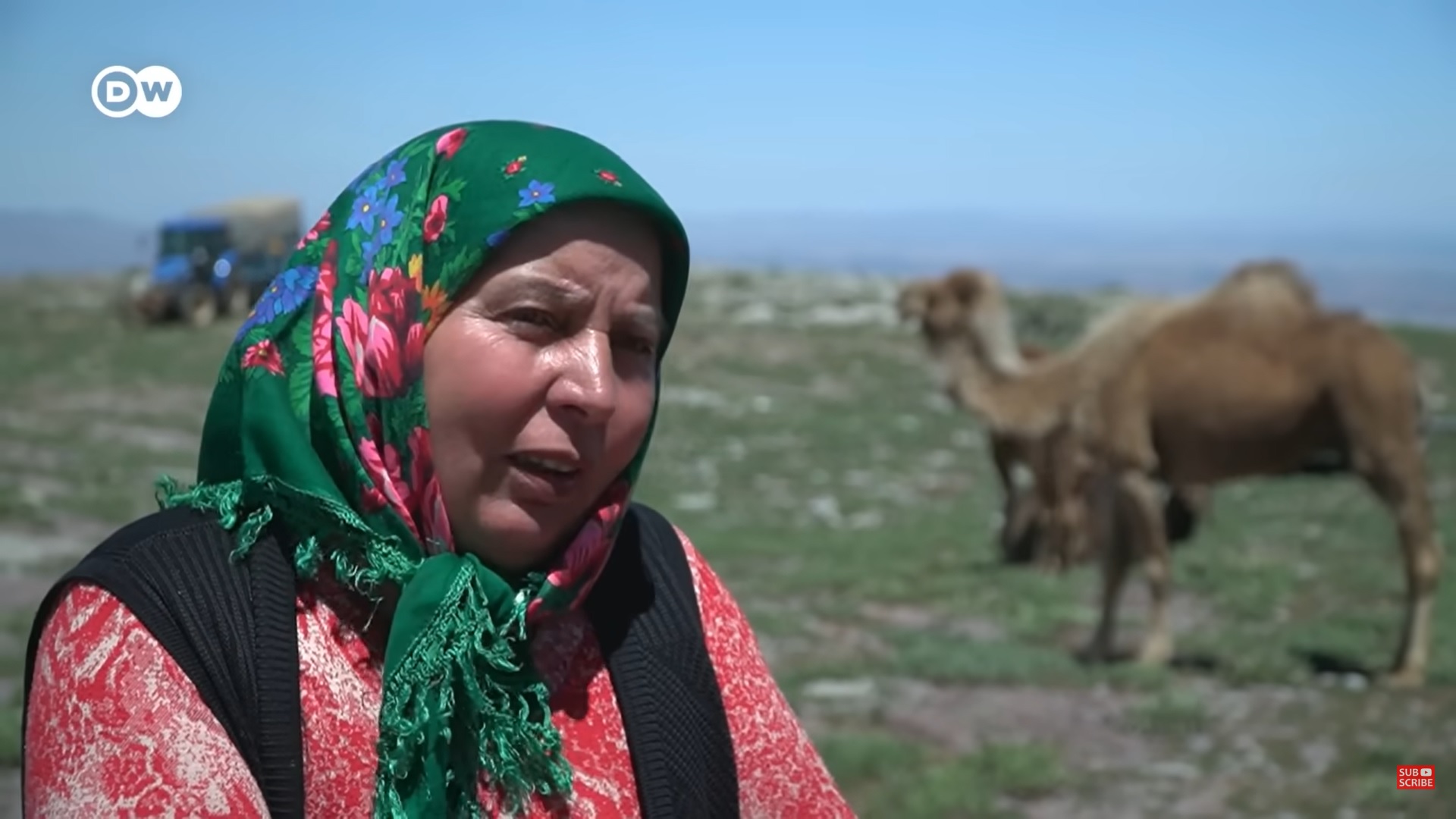
Transhumant nomads in Turkey spend winter on the Mediterranean coastal plains and, in spring, move with their goats into the Taurus Mountains. However, the government, the military and landowners are constantly placing new obstacles in their path. The 63-year-old woman Pervin Savran leads the nomads’ fight for their rights to continue their traditional herding system and lifestyle.
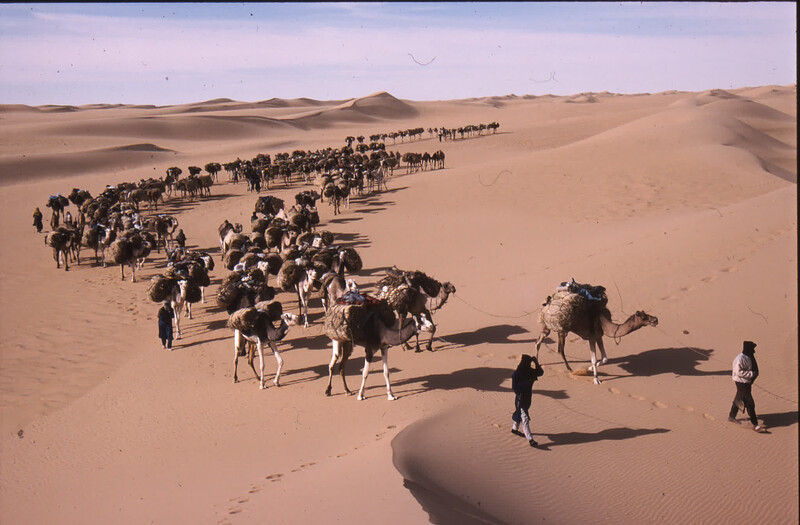
The Tuareg of Kel Ewey travelled yearly across the Tenere Desert to exchange millet for dates and buy salt in the Bilma oasis; they sold the salt in the south and bought millet. This film follows a camel caravan that walked 600 km to trade in Bilma. A valuable historical document, it shows the endurance needed by people and camels to traverse the desert. With an introductory text but no narrative, this fascinating ethnography shows everyday activities of people and animals during the long journey.