Thanks to Eric Thrift for organizing screenings of the Perspectives on Pastoralism Film Festival in Mongolia and now, Canada!
University of Winnipeg Anthropology Museum
The Anthropology Museum at the University of Winnipeg, founded in the 1960s, has long served as a resource for teaching, research, and the stewardship of cultural heritage. Today, it is reimagining its role as a living, responsive, and inclusive institution that supports hands-on learning, ethical museological practice, and reciprocal community relationships. Grounded in the values of public anthropology, we support the mobilization of anthropological knowledge to address pressing social issues and embraces diverse forms of representation—from digital exhibitions to oral histories to embodied, multisensory storytelling.
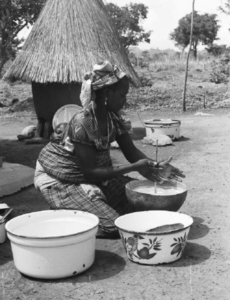
In 1984, film festival co-founder, Dr. Ann Waters-Bayer, made this film together with Asma’u Maikano whose livelihood and skilled dairy craft is featured in the documentary. The filming was done in Madauchi (Asma’u’s home) and Zonkwa (where she sold the milk) in southern Kaduna State, Nigeria. Ann chose to do all of the editing in Nigeria rather than Germany, in a village with no electricity, so that Asma’u could carefully review what footage she did not want shown, and which scenes she most wanted to feature. “Fulani Dairywoman” has been specially digitised for the 5th edition of the Perspectives on Pastoralism Film Festival from the original Super8 film.
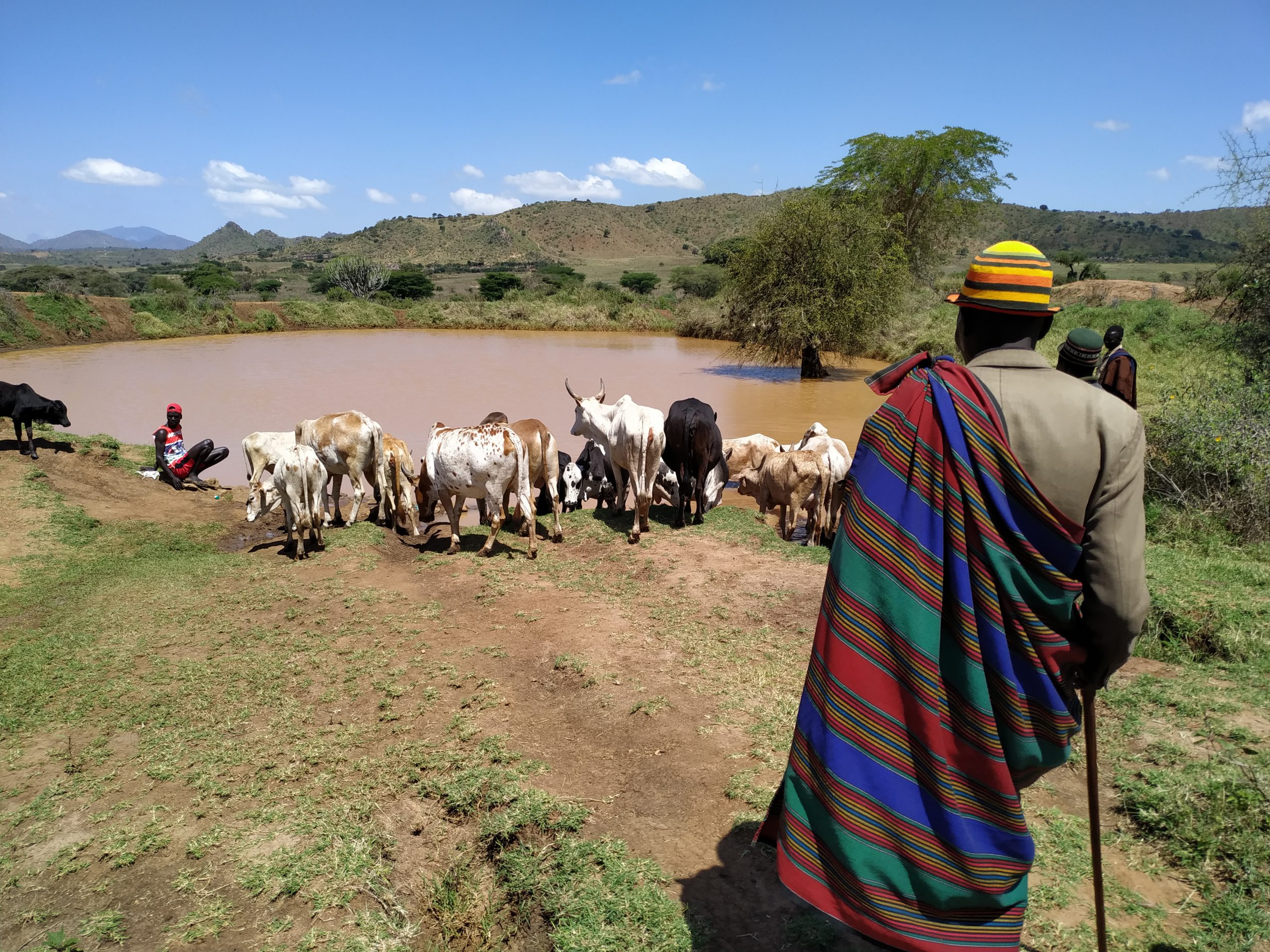
The Karamojong are herdsmen in the North-East of Uganda and guardians of their landscape. This film illustrates how the Karamojong herdsmen make productive use of the highly variable landscape, turning even the driest plant fibers into meat and milk, whilst simultaneously dealing with frequent animal disease outbreaks and intertribal conflicts in the region.
This film was produced in collaboration with a CELEP partner, DADO (Dodoth Agro-pastoral Development Organization). It is part of a documentary series ‘Herders – Guardians of the Earth’.
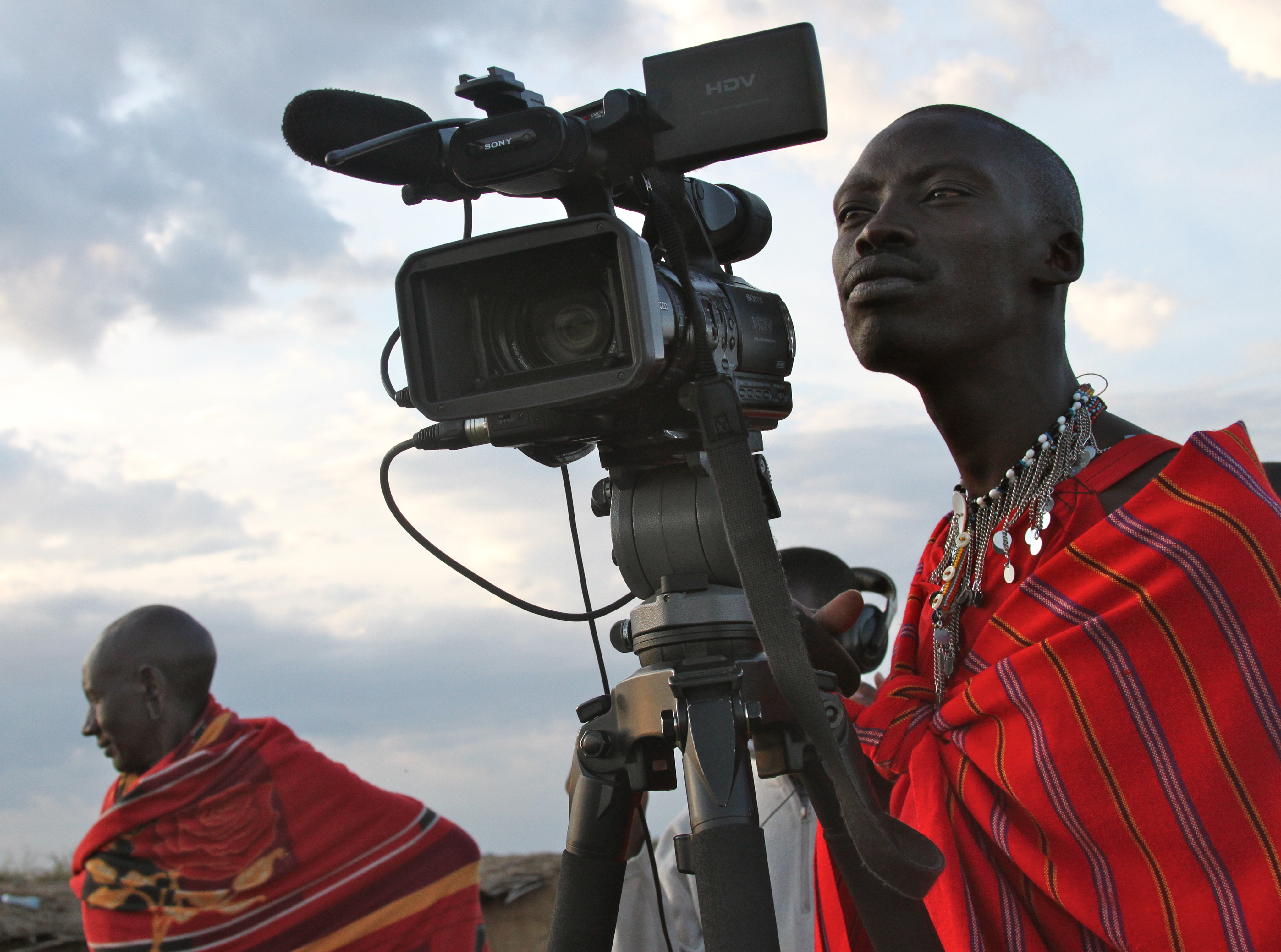
This documentary, created by young Maasai pastoralists from Kenya’s Maasai Mara, shares their perspectives on climate change and the many other shifts affecting their land and livelihoods. It explores the challenges pastoralists face in a changing climate while also highlighting dialogue fostered through workshops with scientists, policymakers, civil society, and pastoralist communities in Kitengela (Kajiado District) and Talek (Narok District). In both locations, men and women contributed their local knowledge, enriching collective understanding of climate adaptation.
CELEP (Coalition of European Lobbies for Eastern African Pastoralism)
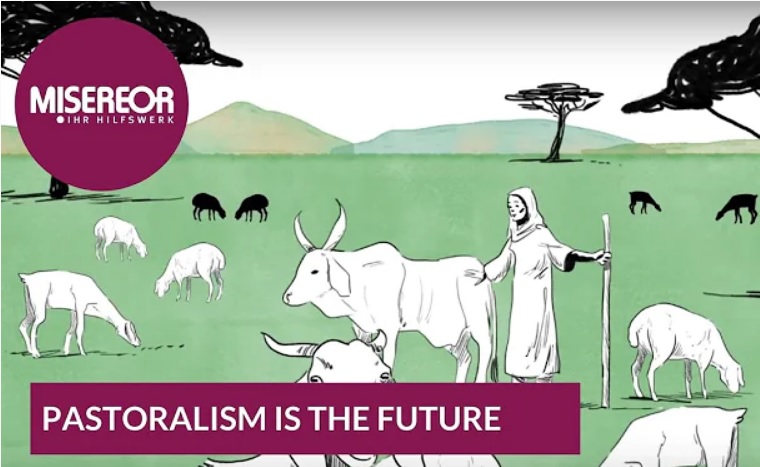
Man-made climate change is creating conditions on our planet that are increasingly characterised by variability and unpredictability. Pastoralists use variability to their advantage. Their production systems guide us to a sustainable future. This video was created in support of the International Year of Rangelands & Pastoralists (IYRP) 2026.
Subtitles in Arabic, Catalan, Chinese, German, Hindi, Italian, Spanish and Mongolian).
Scenario by Saverio Krätli, Vétérinaires Sans Frontières Belgium, Agrecol and Misereor; funded by Misereor and the Belgian Government; produced by Cartoonbase Belgium.
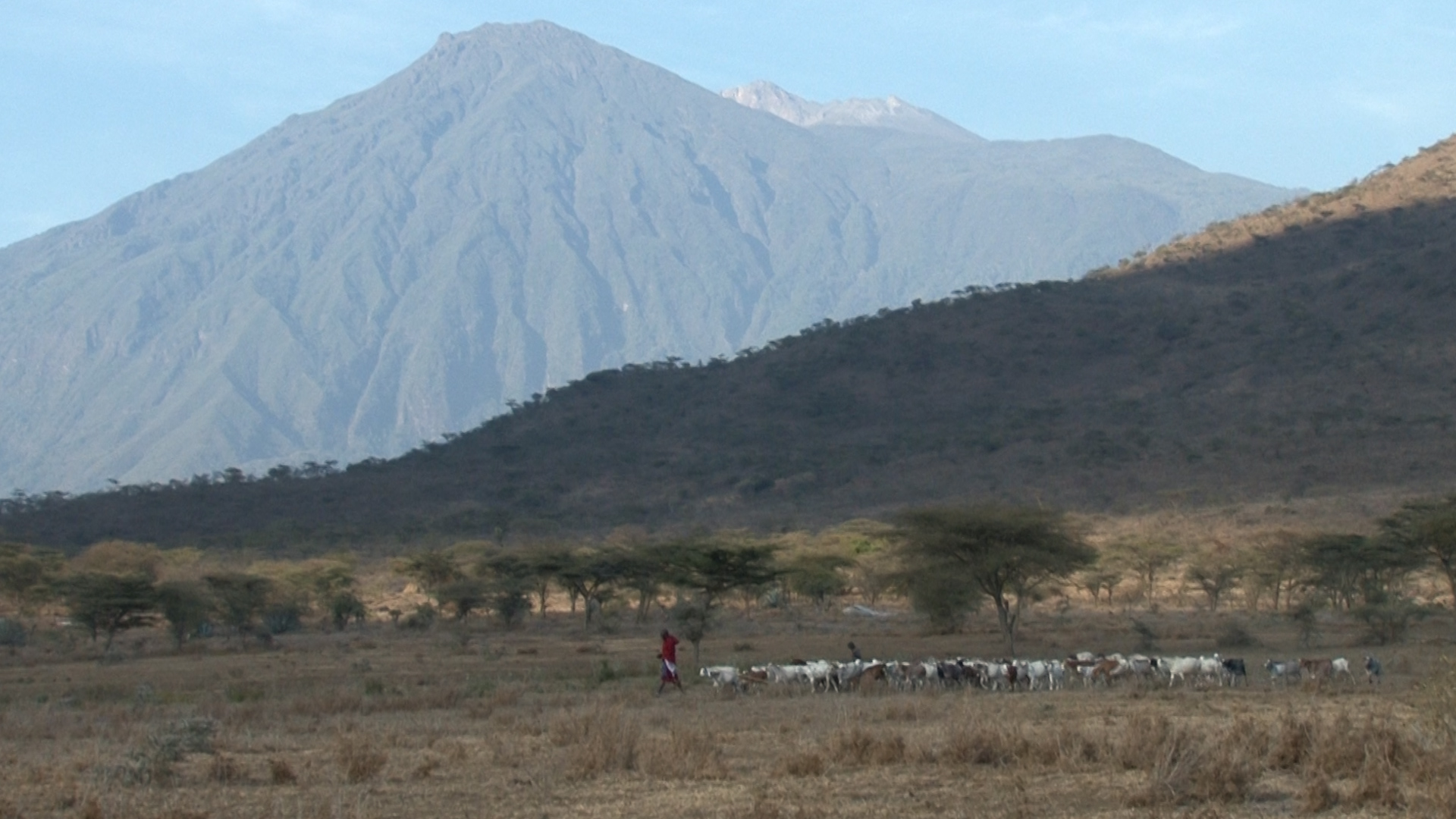
The area near Tanzania’s Mount Meru is increasingly affected by drought. The Maasai herder, Paulo, must find creative ways to feed his family. In the morning, he seeks breakfast for his goats, so that they can produce milk for their own kids – and for Paulo’s young son.
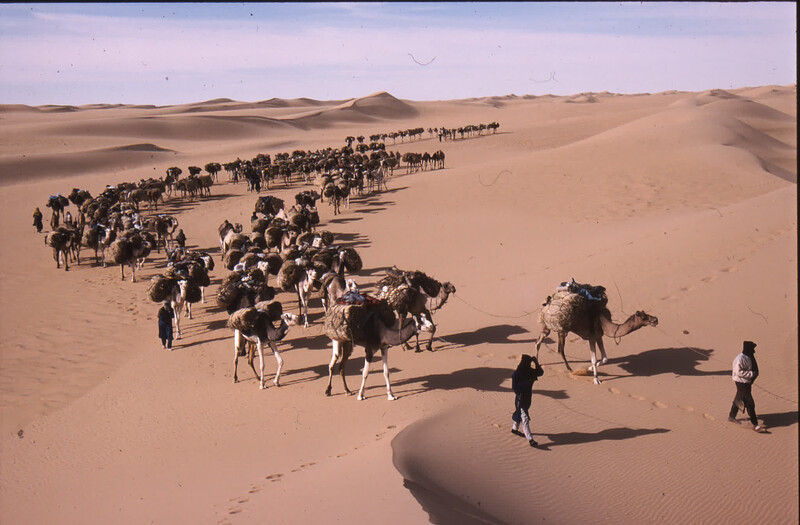
The Tuareg of Kel Ewey travelled yearly across the Tenere Desert to exchange millet for dates and buy salt in the Bilma oasis; they sold the salt in the south and bought millet. This film follows a camel caravan that walked 600 km to trade in Bilma. A valuable historical document, it shows the endurance needed by people and camels to traverse the desert. With an introductory text but no narrative, this fascinating ethnography shows everyday activities of people and animals during the long journey.
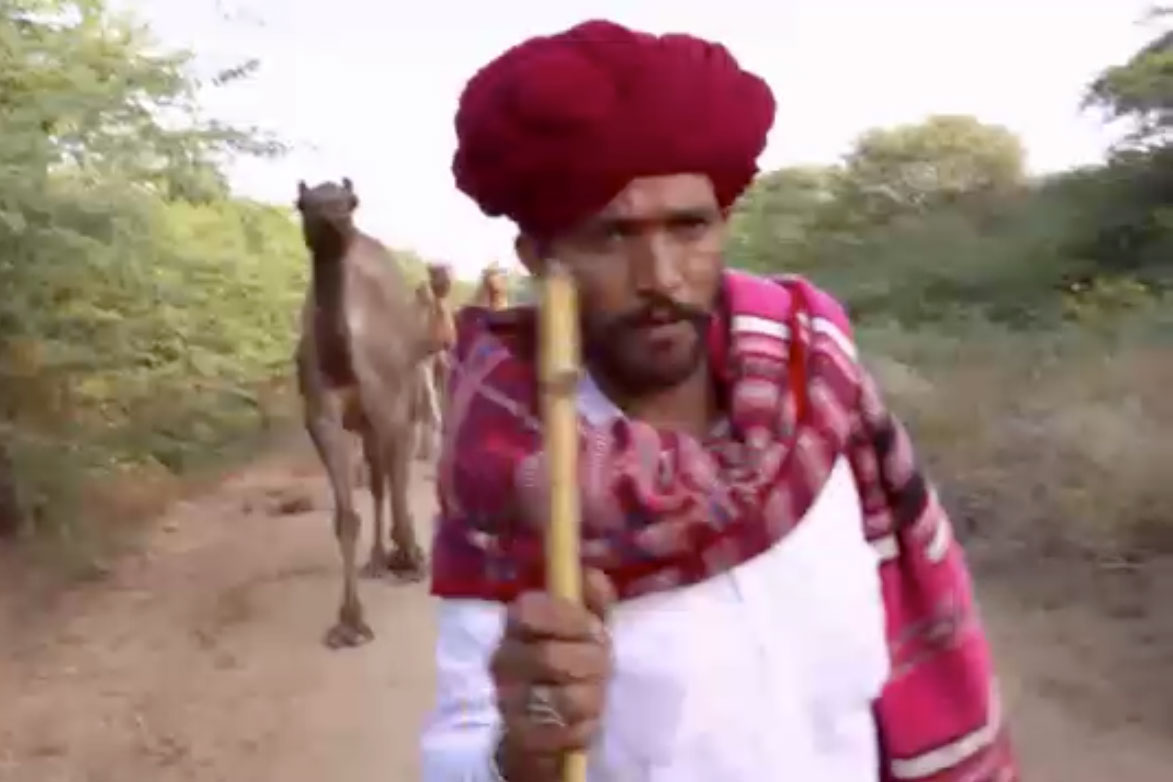
The Raika people in India have been herding camels in Rajasthan for centuries. But their traditional way of life is now under threat. A German NGO, the League for Pastoral Peoples, is trying to create a perspective for the camel herders through the sale of camel milk and other products, in order to help the Raika sustain their livelihood.
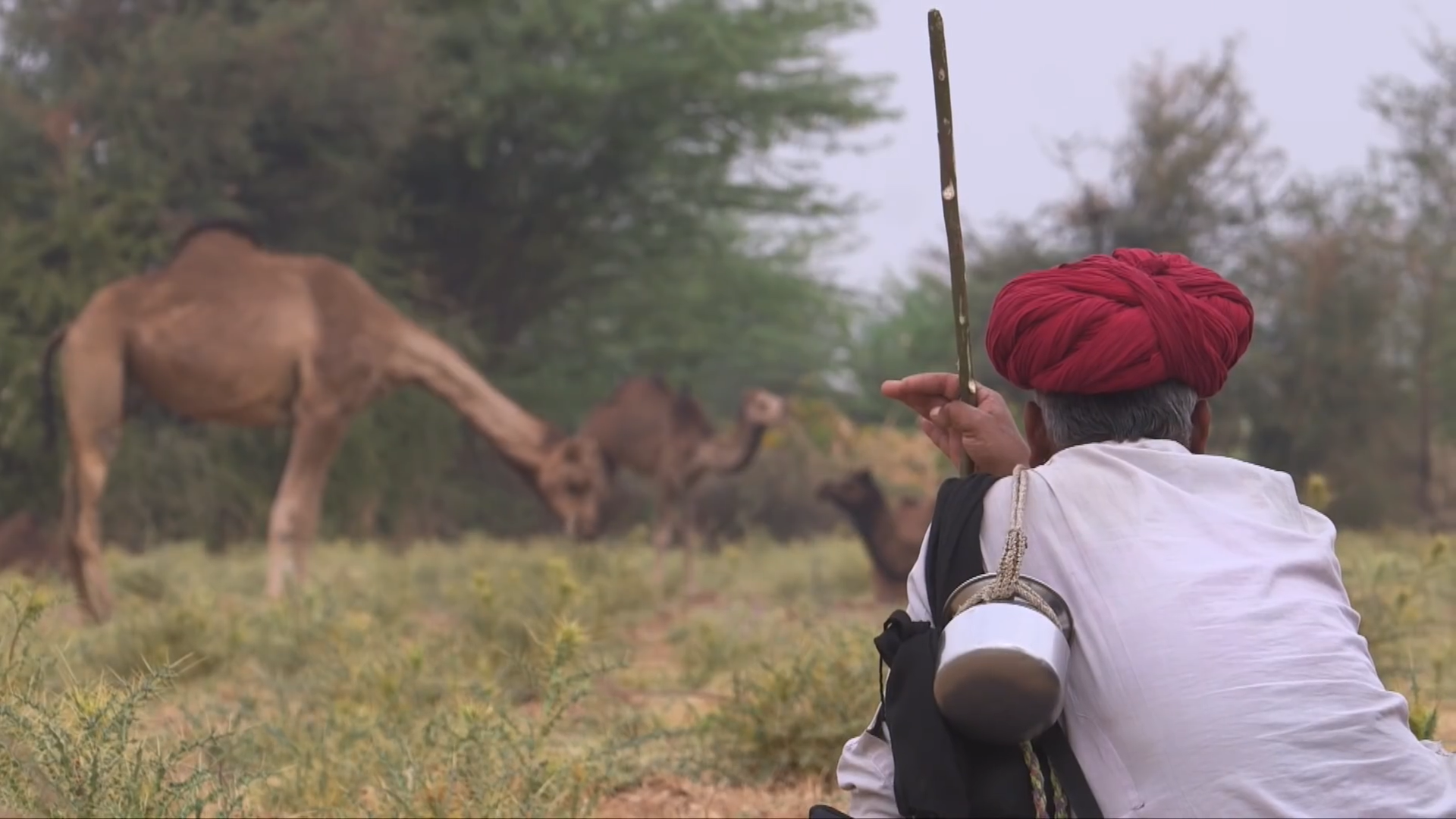
Raika pastoralists have been herding camels in Rajasthan for centuries, but their traditional way of life is now under threat. A German-led non-governmental organisation that was set up to advocate for the Raika’s rights collaborated with them in starting a commercial dairy for camel milk to help the Raika sustain their livelihood.
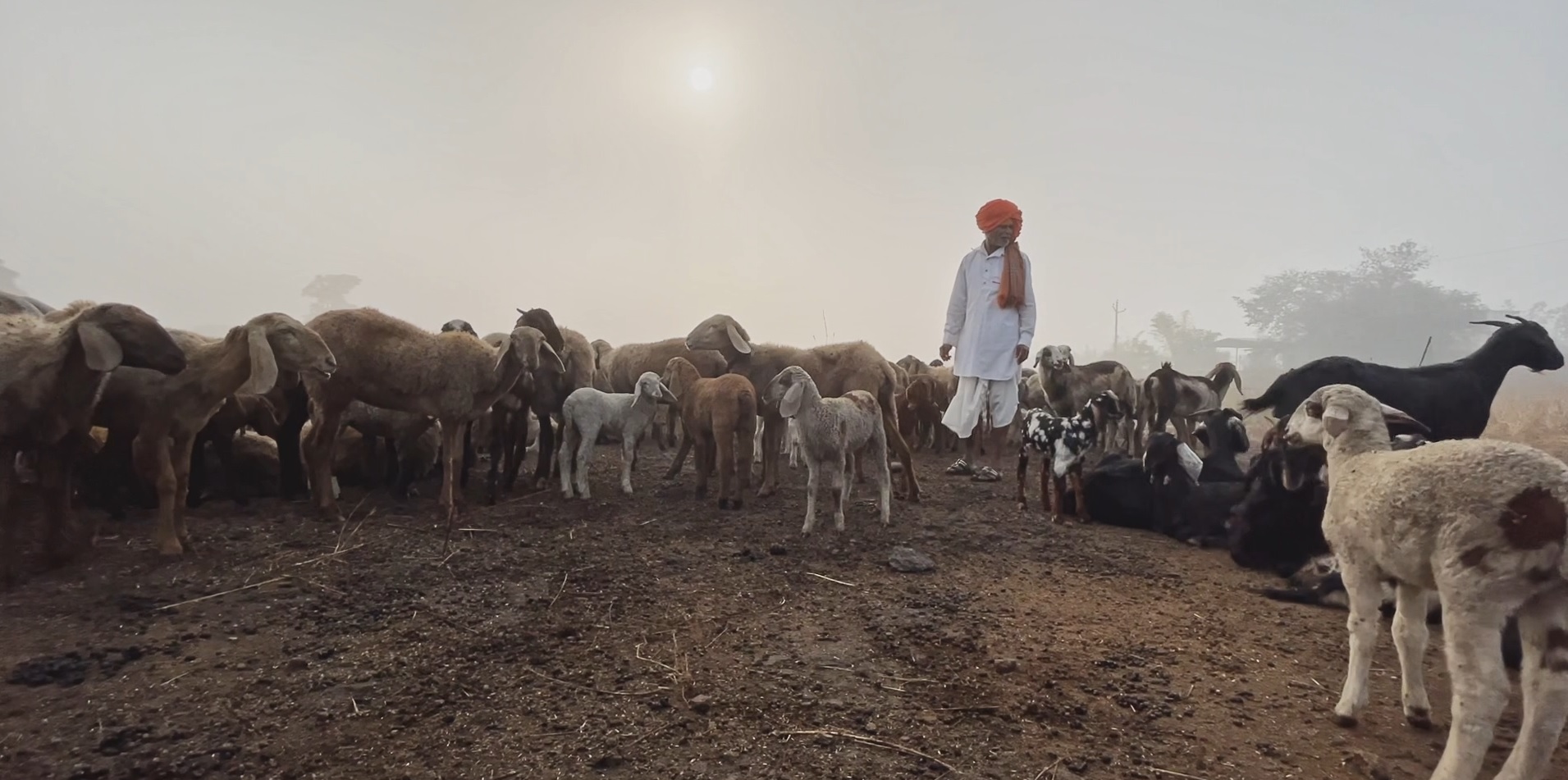
For hundreds of years, the Dhangar nomads have kept sheep on the Deccan Plateau in Maharashtra State, India. Their biggest problem was wolves, which they also worship, knowing full well that wolves will take a few animals each year, often the weakest. Now they face a new threat: climate change, bringing extreme weather events. The film traces the path of a few migratory families and the loss they felt when several animals died during unprecedented rains. The nomads ask government to take notice of their situation and create policies to protect their sheep and their livelihoods.
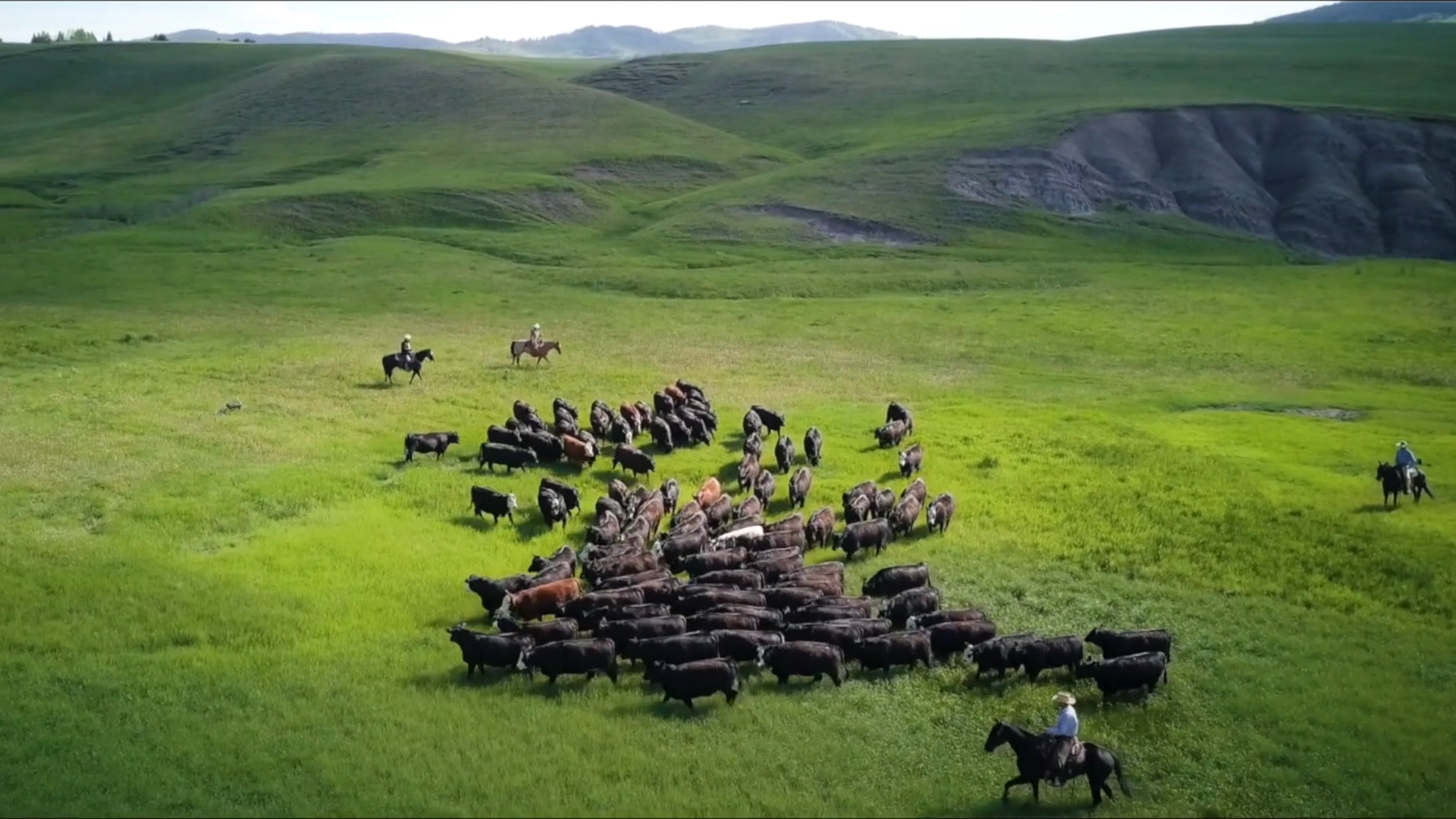
Canada’s native grasslands are disappearing at an alarming rate; they are one of the most endangered ecosystems in the world. This film – the result of collaboration between conservationists and local pastoralists (ranchers) – shows how cattle grazing still creates hope on what is left of these iconic landscapes for the plant and animal species that call them home.
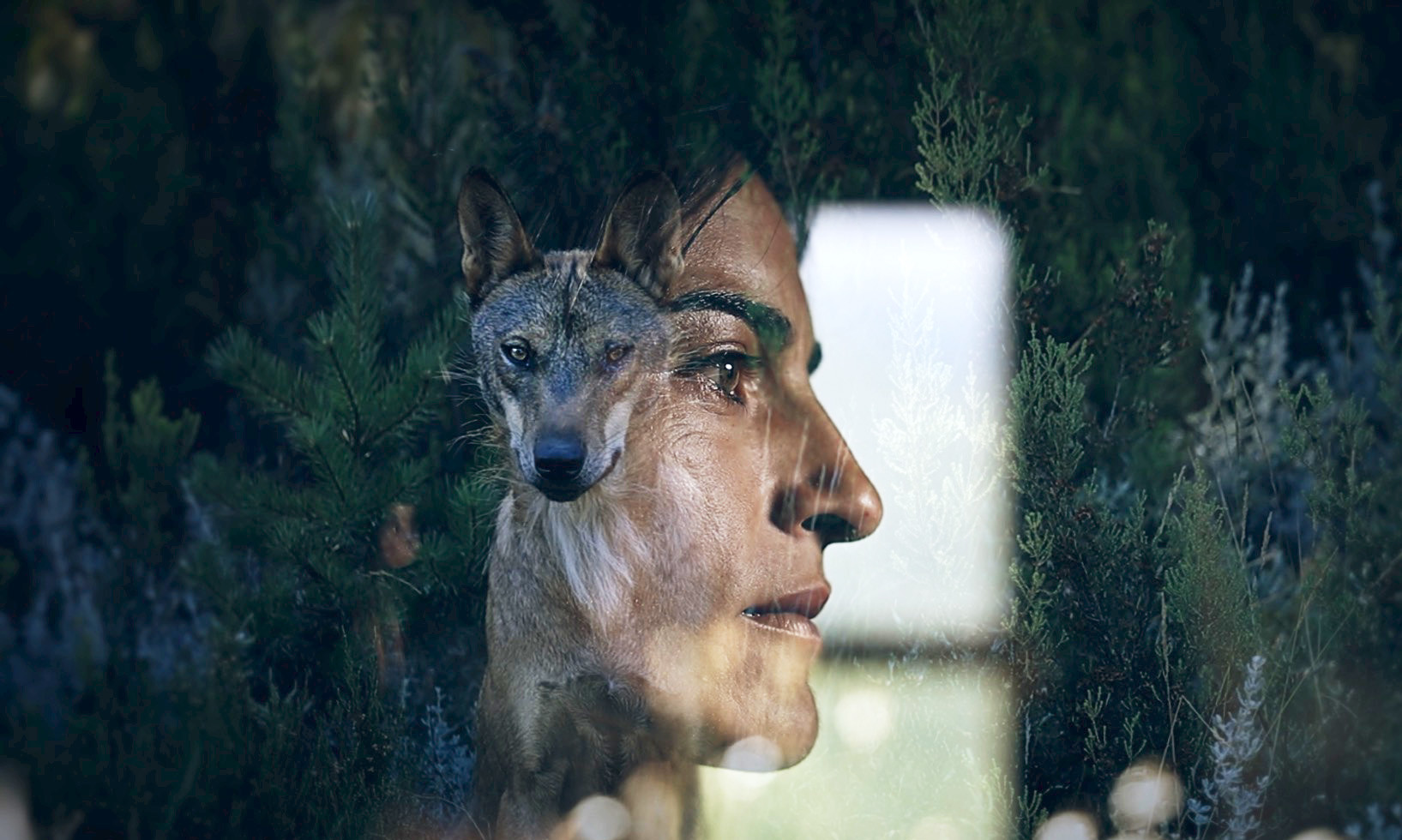
This documentary brings the testimonies of three herders – Fernando, Juan and Sofía – who have learnt to live close to wolves. Like many other farmers and herders in Europe, they have found ways to protect their livestock. They explain how they deal with the challenges and opportunities that come with the presence of large carnivores and how they have learnt to accept or even to appreciate them. They show that coexistence is possible, if those living close to large carnivores receive sufficient support and tools to reduce conflict.
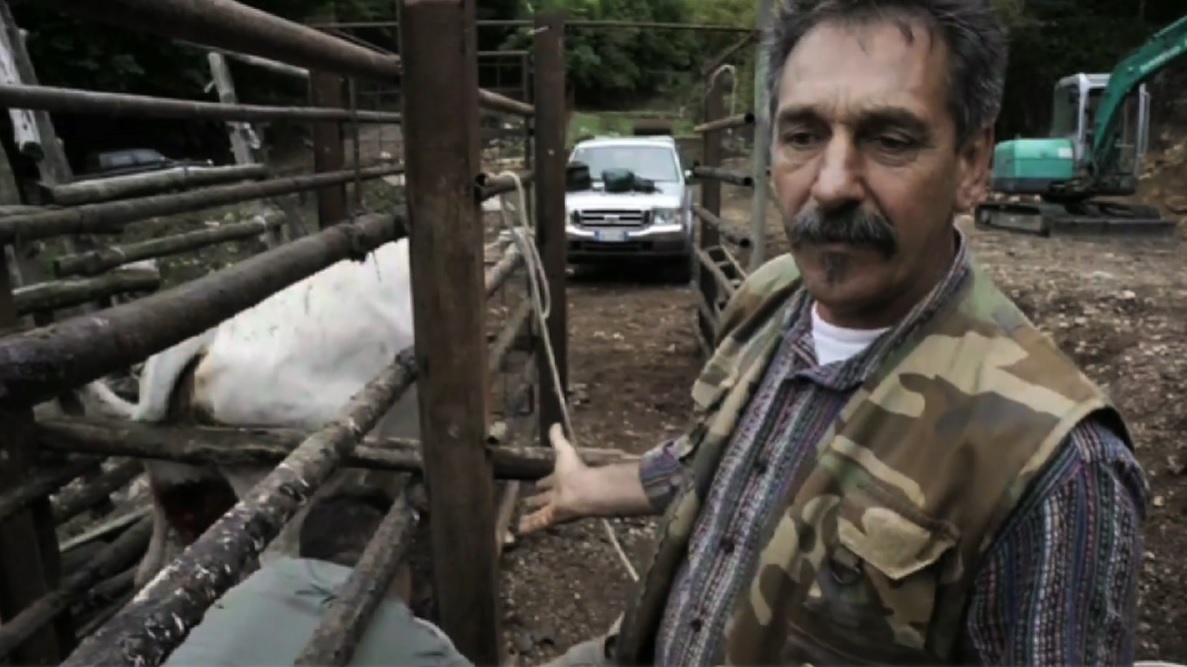
In Italy’s Apennine Mountains, large carnivores are creating problems for herders. The population of wolves and wolf-dog hybrids is growing, and attacks on livestock are increasing. This has devastating economic impact on the herders, who must now confine formerly free-ranging livestock in stables and behind fences. It weakens the management of grazing land and local livestock breeds, leading to loss in biocultural diversity. The herders demand that national and regional governments in Italy take action to address these issues.
After several years of negotiations with the South African National Parks Board, the local Nama people were allowed to remain living and grazing their livestock in a designated nature conservation area – the Richtersveld World Heritage Site in Northern Cape Province bordering Namibia. The film documents how agreement for a community conservancy was reached and how renegotiations are being considered in view of recent changes in climate and population, including Nama not involved in the original negotiations. Researchers made this film as a way to feed back their findings to the local people.
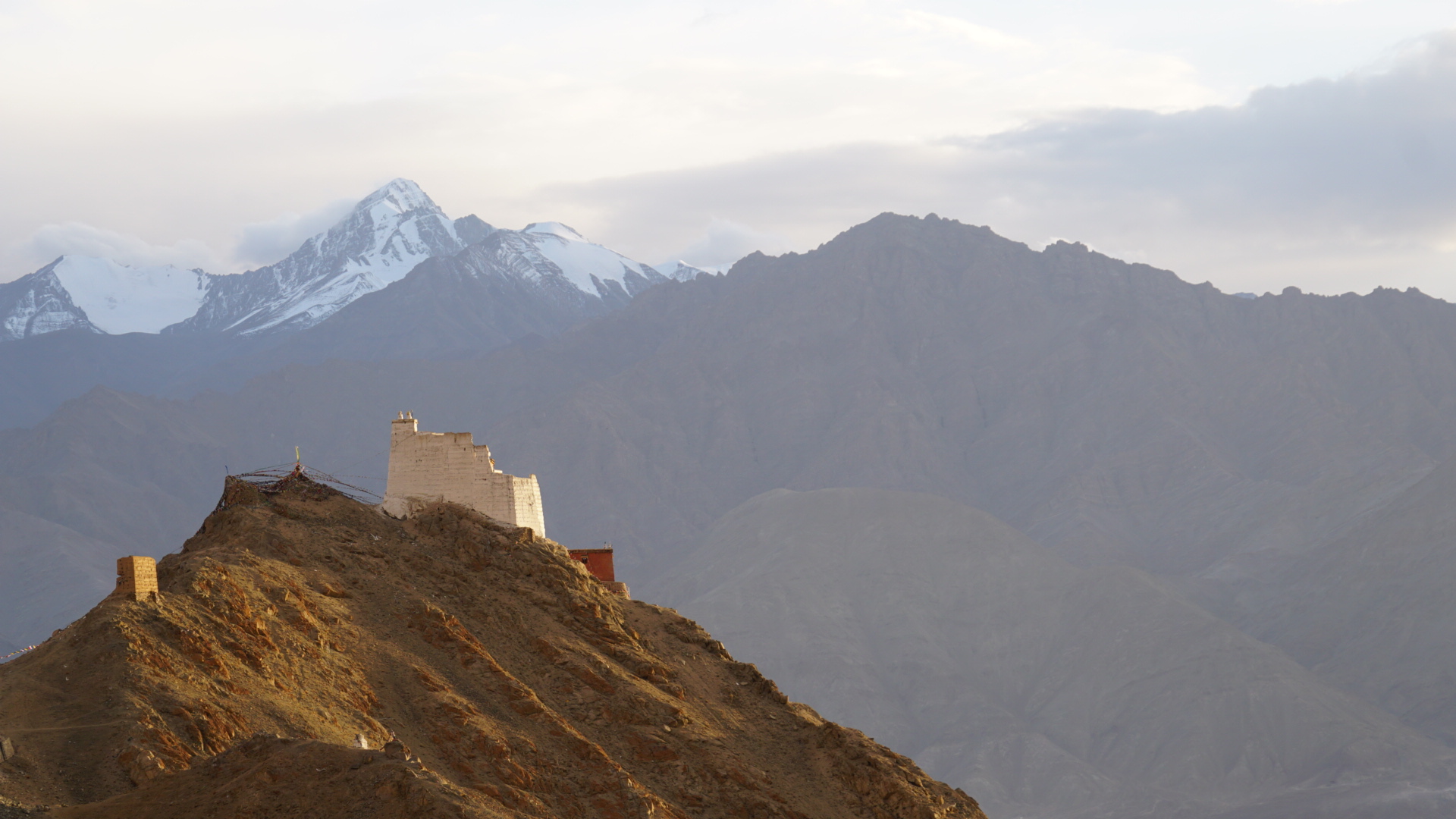
In this film, a nomadic woman shares her daily life in Ladakh’s high mountains. She speaks about the hardships of changing rainfall, the struggle to feed her livestock, and the reasons why many young people leave for the cities—offering a poignant glimpse into a fragile way of life under pressure.
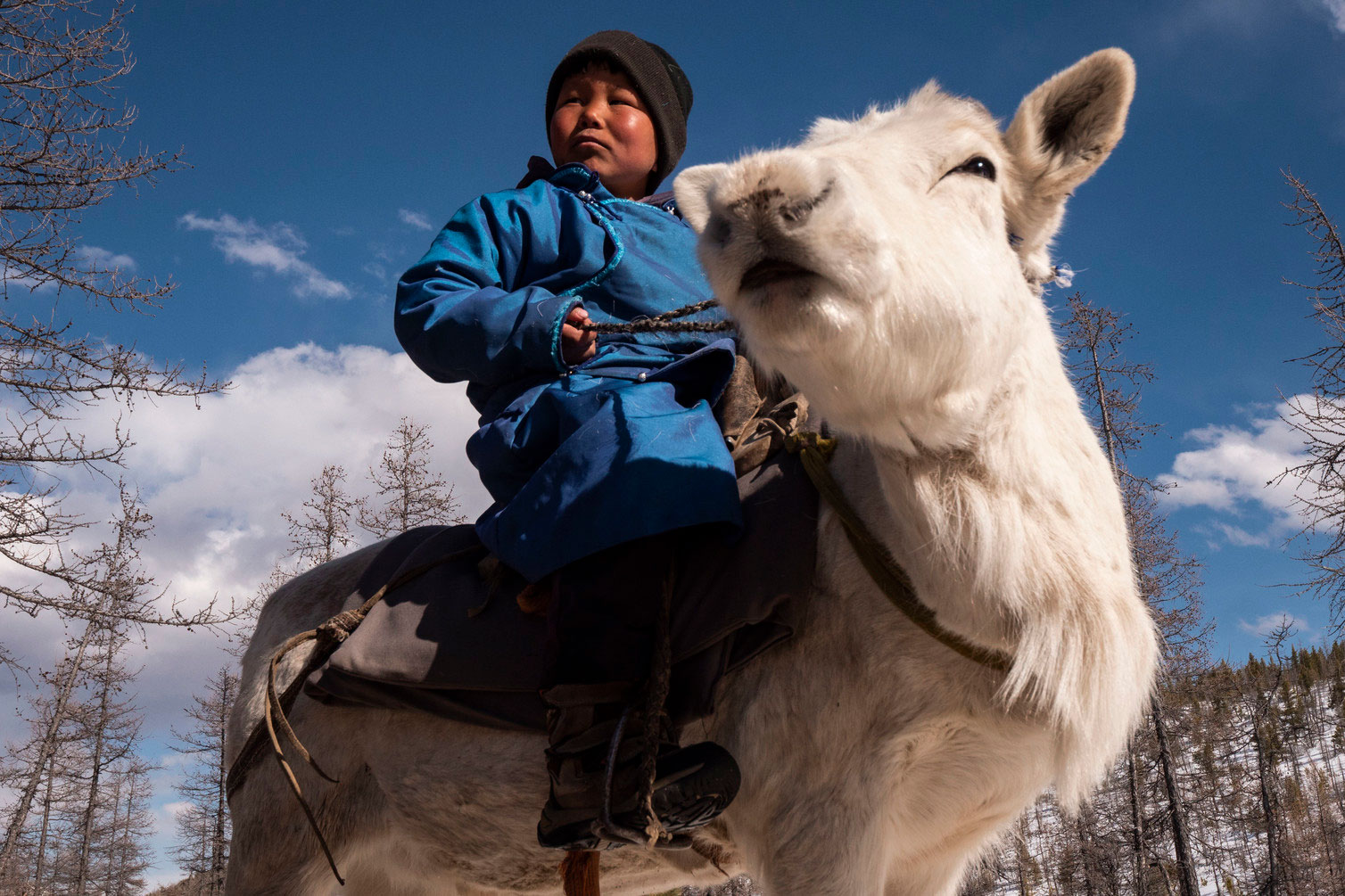
From inside his yurt in northern Mongolia, the reindeer herder Bayandalai ‒ an elder of the Dukhas tribe ‒ muses about the significance of life and death in the largest forest on Earth, the Taiga. Through his connection with the reindeer and with the Taiga, Bayandalai has access to spiritual truths and higher consciousness that he may not be able to pass on to his family members before the lures of city life — jobs, money, houses, things — entice them away.
Let’s woman up – Darrylin Gordon, pastoralist, Lamboo Station, Kimberley
Gisela Kaufmann and Karsten Orlt
Darrylin is a Jaru woman who comes from a line of strong and proud Aboriginal women. Her family has been working with cattle all of her life. She remembers being with her grandfather in cattle yards from an early age and knew that this was what she wanted to do. Today Darrylin is the only woman working on Lamboo Station, owned and run by the Ngunjiwirri Aboriginal Corporation. Her vision to offer training camps to empower local Aboriginal people earned her the title of Western Australia’s Rural Woman of the Year in 2018.
In 2023, Hungarian women herders joined together to create a group so that they could mutually support each other and offer more visibility for women in the herding profession. This film offers an intimate interview with the leader of this group, Ibolya Sáfiánné, along with historical photos from her life and footage of her working with some of her sheep and lambs. In the second half of the film, there is footage from the Herder-Scientist Gathering organised by Prof. Zsolt Molnár in May 2023, which brought together scientists from all over the world and herders from different parts of Hungary. Since this film was made, Hungarian women herders have become more involved in global networks.
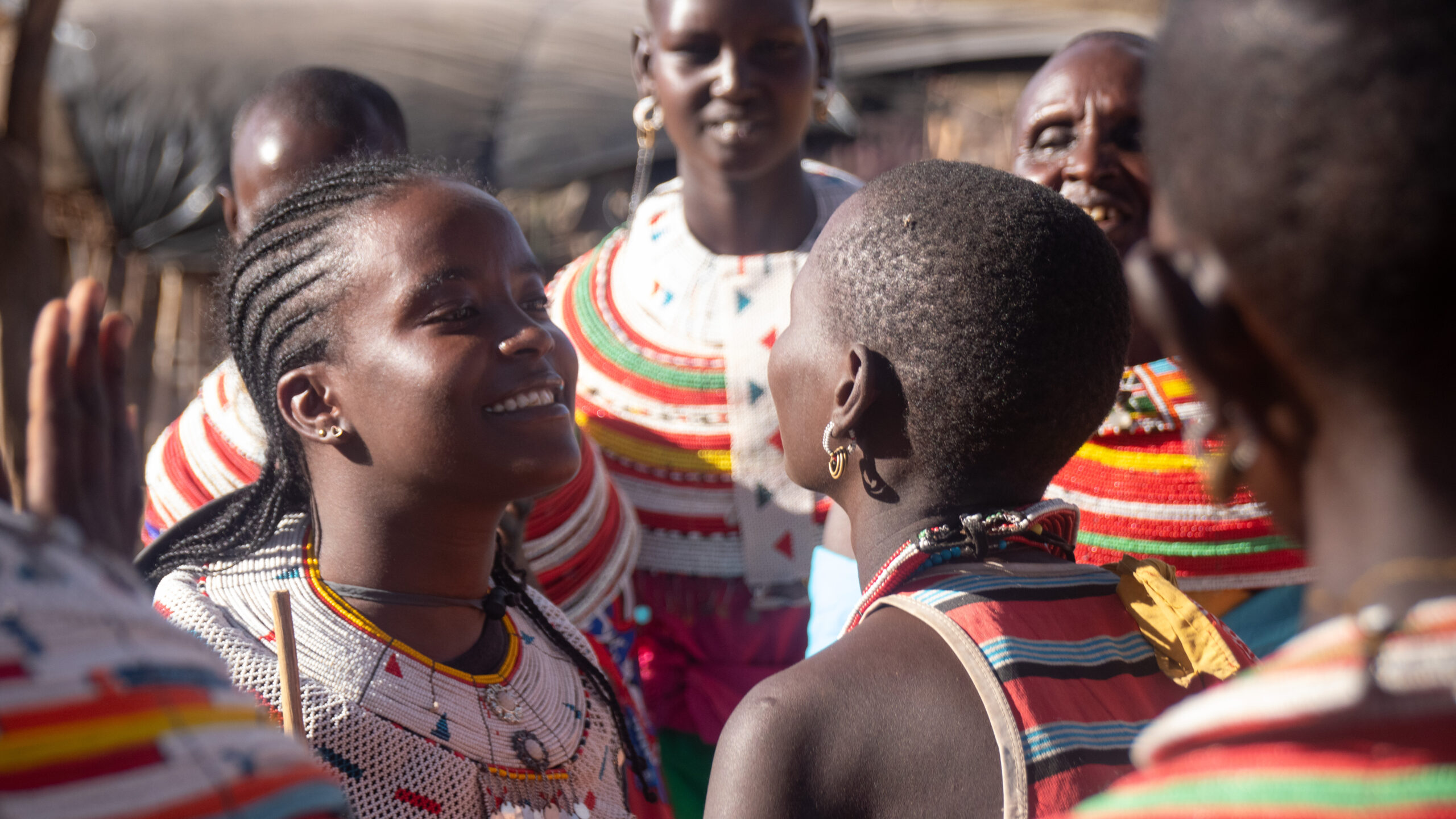
In this intimate and groundbreaking film, Laissa Malih, the first female Maasai filmmaker, returns to her ancestral village in Laikipia to explore how climate change is transforming Maasai lands and lives. What begins as a documentary about land and tradition becomes a personal journey of identity, belonging and intergenerational dialogue. Through her lens, Malih reclaims the narrative of her people, offering an insider’s perspective on resilience, culture and the future of Maasai storytelling.
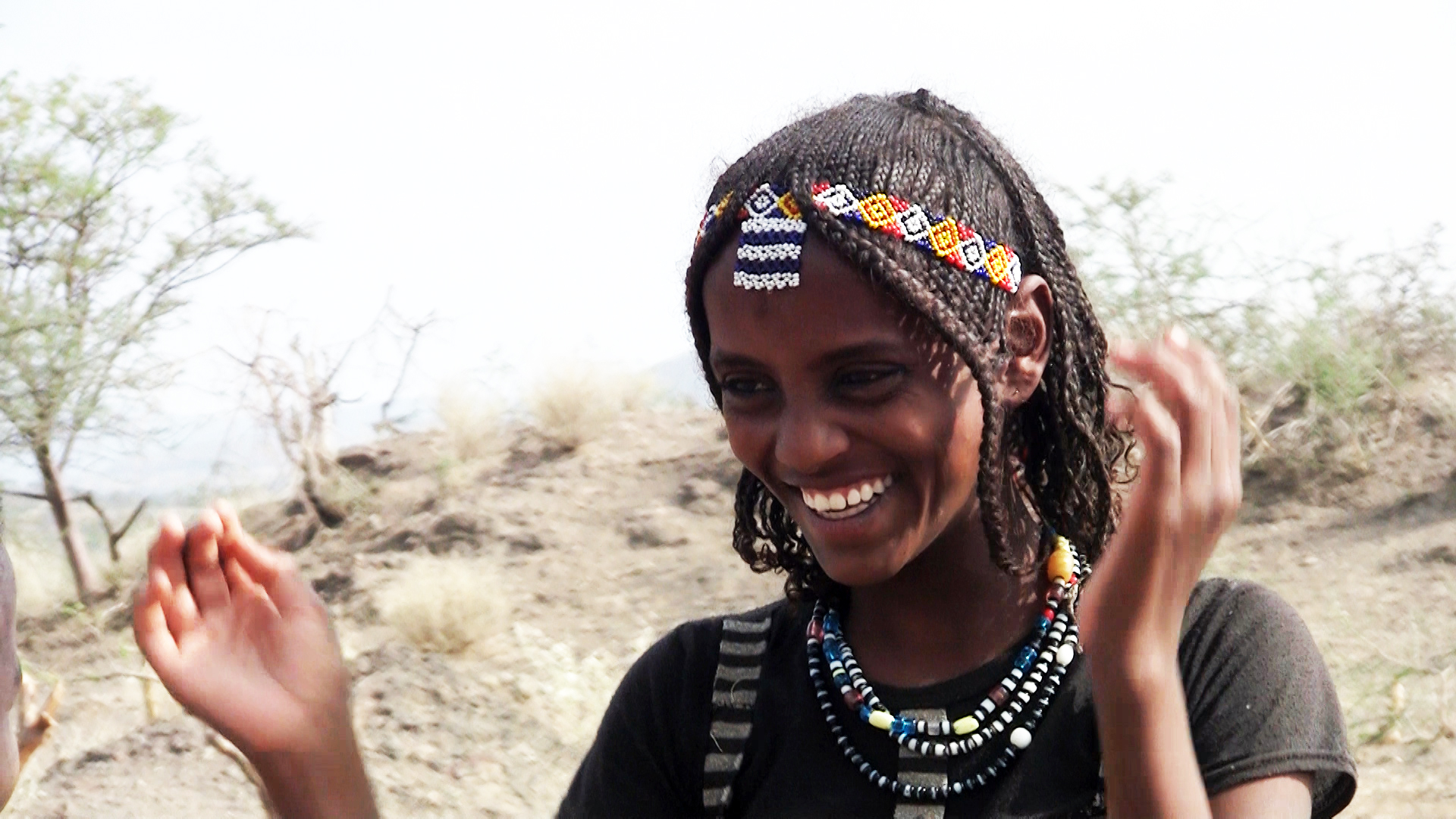
This film tells the story of two girls in Afar, northeast Ethiopia, and how they face challenges in their young lives: Fatuma seeking to avoid the traditional arranged marriage and Asya trying to deal with livestock theft and conflict with the Somali Issa. Fatuma and Asya grow up in two different Afar nomad communities. The film depicts the reality of these adolescents, who explain their daily lives from their own perspective.
Albania, Andorra, Austria, Croatia, France, Greece, Italy, Luxembourg, Romania and Spain, 2023, 21:35
Transhumance: the seasonal droving of livestock
Francesca Pasetti (Fundación Trashumancia y Naturaleza)
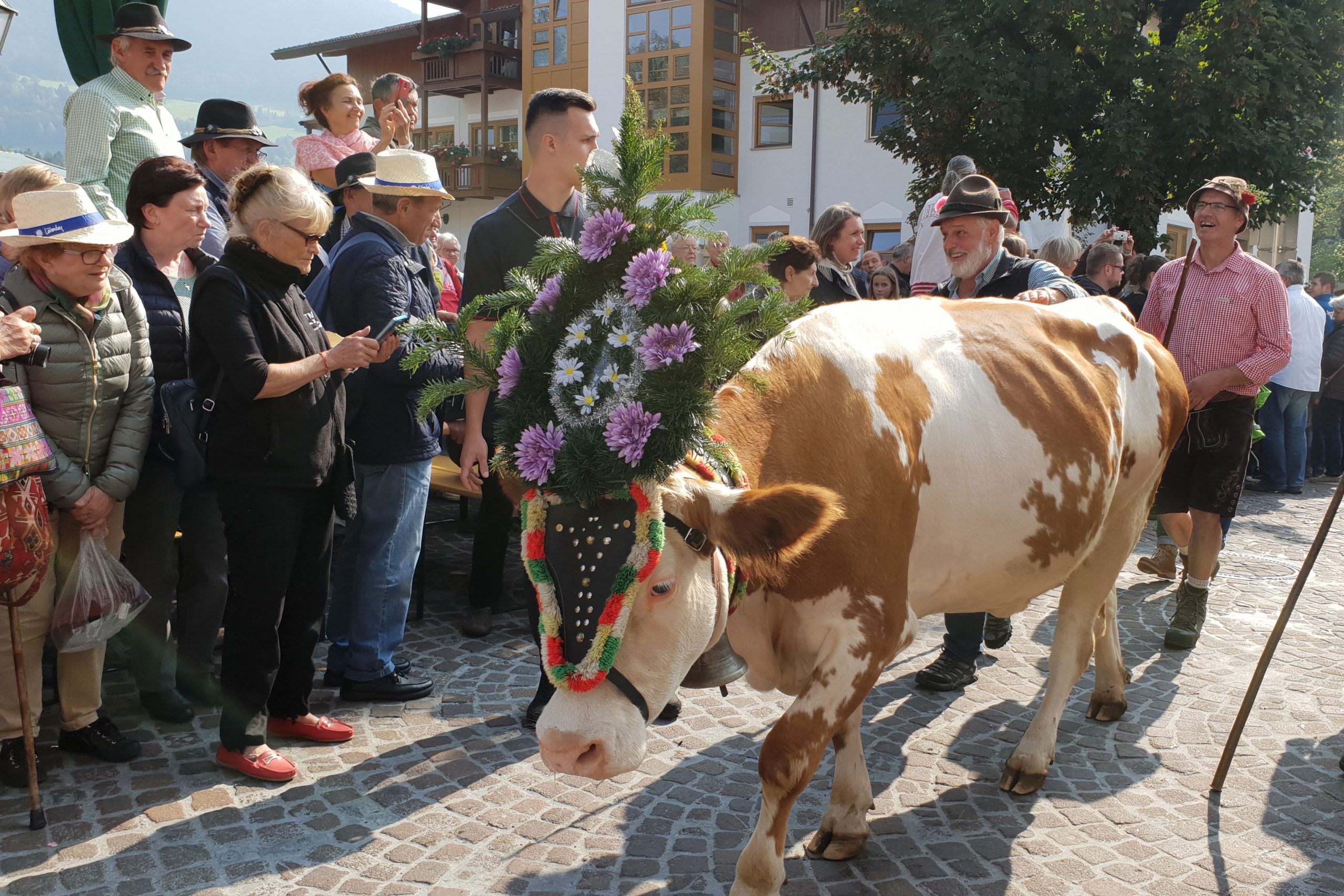
This film takes us on a journey across several countries in Europe, introducing people whose families have practised transhumance for generations. Following the seasonal movement of livestock between different grazing areas, they continue a way of life that makes the best use of natural resources while preserving landscapes, traditions and cultural knowledge.
The film gives particular prominence to the experiences and contributions of women in transhumant communities, whose roles are essential to the continuity and transmission of this living heritage.
Through the voices and experiences of transhumant pastoralists across Europe, the film highlights transhumance not simply as an agricultural practice, but as a living cultural heritage that continues to connect people, animals, landscapes and generations. It is included in a UNESCO collection dedicated to the Representative List of the Intangible Cultural Heritage of Humanity, recognising the cultural significance and continuing vitality of transhumance.
This film shows the living cultural heritage of transhumance in Europe: moving livestock to different grazing grounds in a seasonal cycle that goes back as long as people have been farming in the region. In Clare County of Ireland, the filmmaker follows the Burren Beo group through their Winterage Festival celebrating this ancient tradition that allows the region’s unique plant and animal life to flourish. Here, the highlands are grazed in the winter and the lowlands in summer. This is contrasted with the movement of livestock in the north Italian Alps, that are taken to the mountain pastures for the summer.
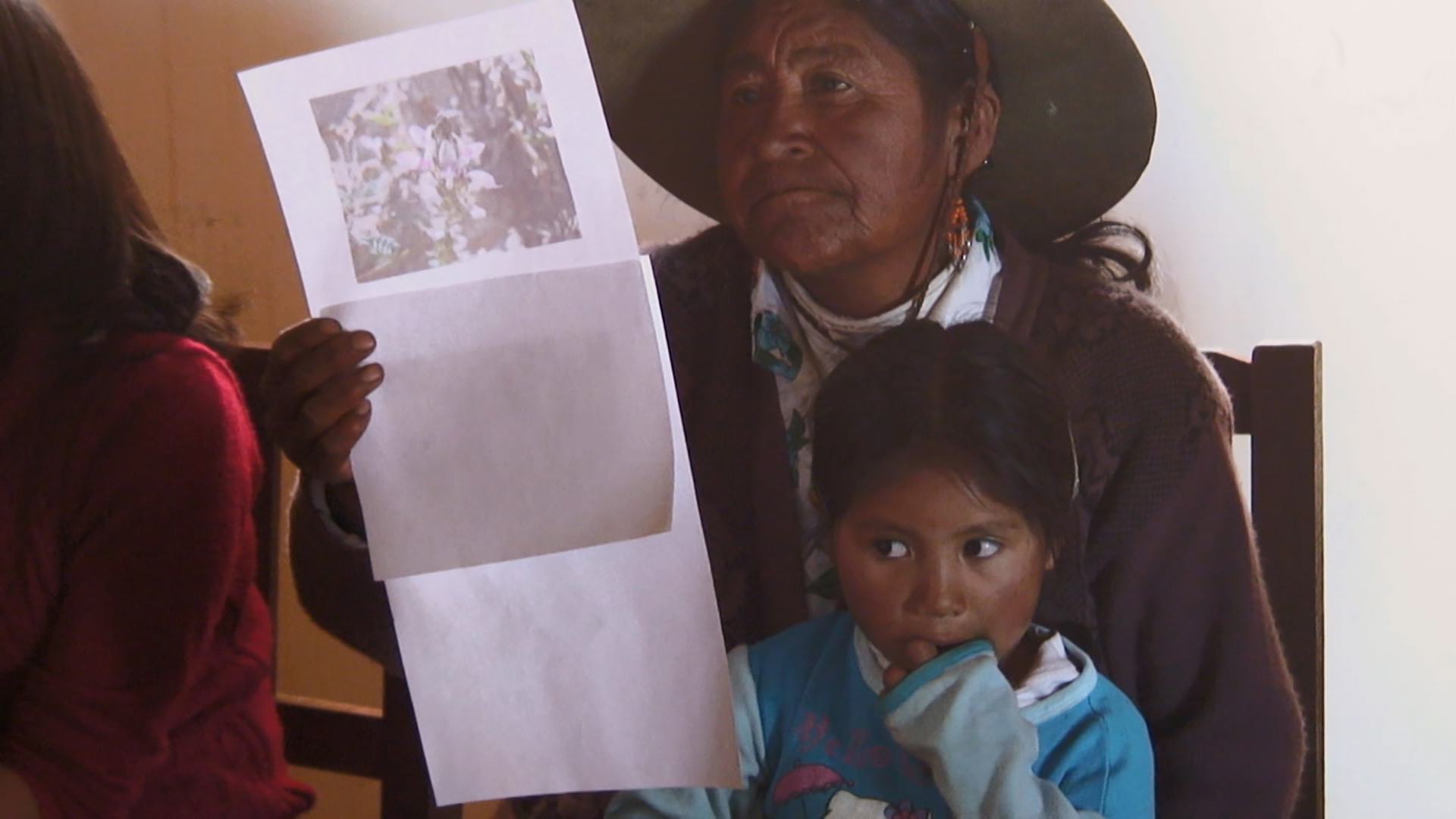
In the Puna region of Argentina, this film shows aspects of ecological research of high-altitude grasslands and develops the importance of establishing a respectful dialogue between scientific knowledge and local traditional knowledge of Andean people. It brings pastoralists’ perspectives on their life and livelihood system, shows the main issues they face in the arid high desert of the Puna region and reflects the role of mobility and traditional knowledge in pastoral systems.
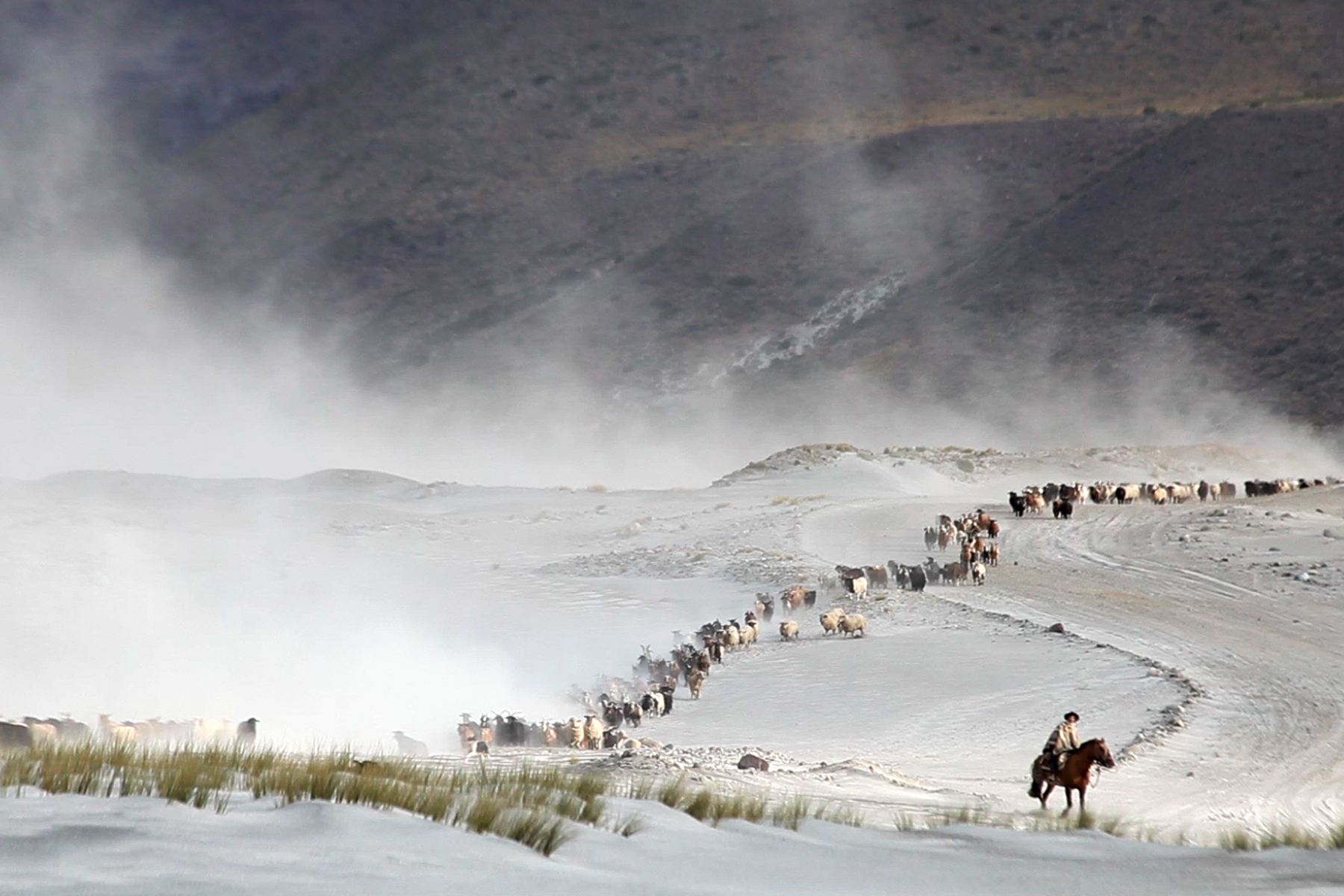
This film follows the Paradas, a charismatic family of Argentinian gauchos who take their goats on transhumance between the lowlands and highlands, on their arduous journey through the High Andes. It captures their reflections on the threat that “progress” poses to their livelihood, on the parents’ uncertainty whether their children will keep up the generations-old family tradition, and on the beauty of their landscape. In both spoken word and song, different family members express their feeling about their pastoral life.